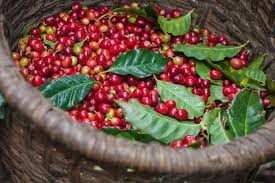
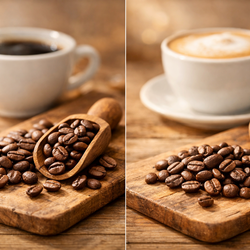
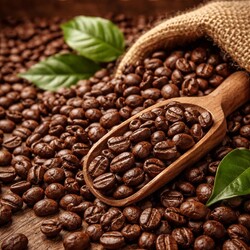
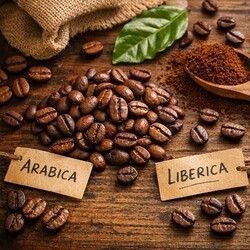
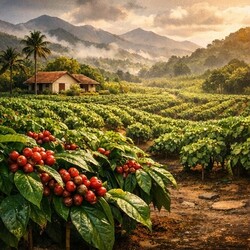
Coffee is one of the most popular beverages worldwide, but not all coffee beans are the same. The two main types of coffee beans are Arabica and Robusta, each with unique characteristics in terms of taste and caffeine content. Additionally, decafé coffee can be made from both Arabica and Robusta beans, with the caffeine being removed. In this article, we explain the differences between the most popular coffee bean types and discuss the benefits of Fairtrade and Rainforest Alliance coffee. This way, you can make informed choices when buying your favorite coffee.
Arabica beans are the most popular choice worldwide, accounting for around 60-70% of coffee production. These beans grow best in high, mountainous areas and offer a mild, aromatic flavor with fruity or floral notes. Arabica coffee contains less caffeine than Robusta, resulting in a softer, finer taste.
Robusta beans have a stronger, more intense flavor than Arabica, with a higher caffeine content. Robusta grows in lower-altitude areas and is resistant to diseases and poor weather conditions, making it cheaper to produce. It is often used in espresso blends for a bold flavor and a rich crema.
If you want to learn more about the different flavor profiles of coffee and how they affect the taste, click here for more details.
Decafé coffee is ideal for those who enjoy the taste of coffee but without the stimulating effect of caffeine. The caffeine content is removed from the coffee beans without most of the flavor being lost. Decafé can be made from both Arabica and Robusta beans and is perfect for a milder coffee without the caffeine boost.
Read more about caffeine-free coffee and discover how the process works.
With Rainforest Alliance coffee, you support farmers in developing countries who receive a fair price for their products. The coffee is grown using sustainable farming methods that minimize the environmental impact. We offer a selection of Rainforest Alliance coffee, so you can not only enjoy delicious coffee but also contribute to a more sustainable and fair global trade.
Want to learn more about the origins of coffee beans and how the climate and soil influence the taste? Or are you curious about different brewing methods? Click the links below for more detailed pages and articles: